The growth rate slowed down. From January to November, the national textile and clothing exports increased by 4.5% year-on-year
author: Textile and Apparel Weekly
2022-12-16
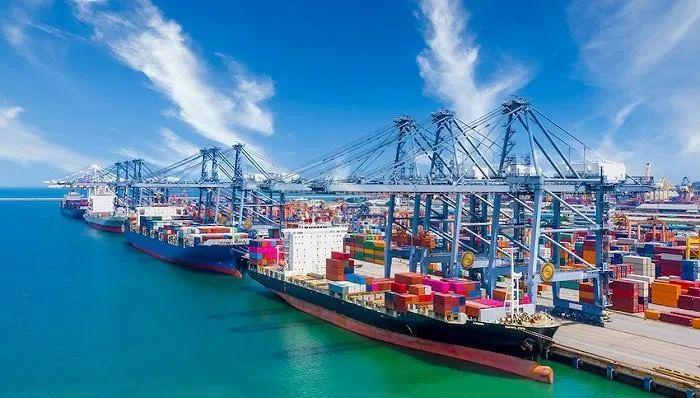
The current international environment is becoming increasingly complex and severe, and the inflationary pressure in developed economies such as the United States and Europe continues to increase. Affected by factors such as weak overseas consumer demand, my country's textile and garment foreign trade enterprises are facing risks and challenges such as insufficient orders, and exports are further under pressure.
In November, the country's textile and apparel exports were US$24.39 billion, a year-on-year decrease of 14.6% (in RMB terms, a year-on-year decrease of 5.6%). Among them, the export of textiles was 11.27 billion US dollars, a year-on-year decrease of 14.8% (a year-on-year decrease of 1.9% in RMB). decreased by 5.4%), and the rate of decline narrowed by 1.6 percentage points from the previous month.
Recently, the manufacturing PMI (Purchasing Managers Index) released by the National Bureau of Statistics fell to 48.0% in November, which was lower than the critical point for two consecutive months, indicating that the downward pressure on the manufacturing industry has increased. Among them, the new order index was 46.4%, down 1.7 percentage points from the previous month, and the market demand continued to fall.
From the perspective of the performance of major export markets, compared with the first half of the year, from January to October this year, the growth rate of my country's textile and clothing exports to ASEAN (46.47 billion U.S. dollars, a year-on-year increase of 20.9%) slowed down by 2.5 percentage points; exports to the United States (46.14 billion U.S. dollars) , decreased by 1.6% year-on-year) the growth rate narrowed sharply by 12.5 percentage points; the growth rate of exports to the EU (40.27 billion US dollars, a year-on-year increase of 4.7%) slowed down by 8.5 percentage points; exports to Japan (17.08 billion US dollars, a year-on-year increase of 1.9%) The growth rate accelerated by 6.4 percentage points.
In addition, in the first 10 months of this year, my country's textile industry exported US$79.35 billion of textiles and clothing to the RCEP regional market, a year-on-year increase of 14%, and the growth rate continued to increase by 0.3 percentage points compared with the first half of the year. Recently, the leaders of China and ASEAN countries have jointly announced the launch of the China-ASEAN Free Trade Area 3.0 negotiations. The textile industry has further released the potential of trade cooperation with ASEAN countries.
In November, the country's textile and apparel exports were US$24.39 billion, a year-on-year decrease of 14.6% (in RMB terms, a year-on-year decrease of 5.6%). Among them, the export of textiles was 11.27 billion US dollars, a year-on-year decrease of 14.8% (a year-on-year decrease of 1.9% in RMB). decreased by 5.4%), and the rate of decline narrowed by 1.6 percentage points from the previous month.
Recently, the manufacturing PMI (Purchasing Managers Index) released by the National Bureau of Statistics fell to 48.0% in November, which was lower than the critical point for two consecutive months, indicating that the downward pressure on the manufacturing industry has increased. Among them, the new order index was 46.4%, down 1.7 percentage points from the previous month, and the market demand continued to fall.
From the perspective of the performance of major export markets, compared with the first half of the year, from January to October this year, the growth rate of my country's textile and clothing exports to ASEAN (46.47 billion U.S. dollars, a year-on-year increase of 20.9%) slowed down by 2.5 percentage points; exports to the United States (46.14 billion U.S. dollars) , decreased by 1.6% year-on-year) the growth rate narrowed sharply by 12.5 percentage points; the growth rate of exports to the EU (40.27 billion US dollars, a year-on-year increase of 4.7%) slowed down by 8.5 percentage points; exports to Japan (17.08 billion US dollars, a year-on-year increase of 1.9%) The growth rate accelerated by 6.4 percentage points.
In addition, in the first 10 months of this year, my country's textile industry exported US$79.35 billion of textiles and clothing to the RCEP regional market, a year-on-year increase of 14%, and the growth rate continued to increase by 0.3 percentage points compared with the first half of the year. Recently, the leaders of China and ASEAN countries have jointly announced the launch of the China-ASEAN Free Trade Area 3.0 negotiations. The textile industry has further released the potential of trade cooperation with ASEAN countries.
Project Warm Feet 2022 sees 2,700 pairs of socks donated